Essential Warm-Up Routines for Piano Players
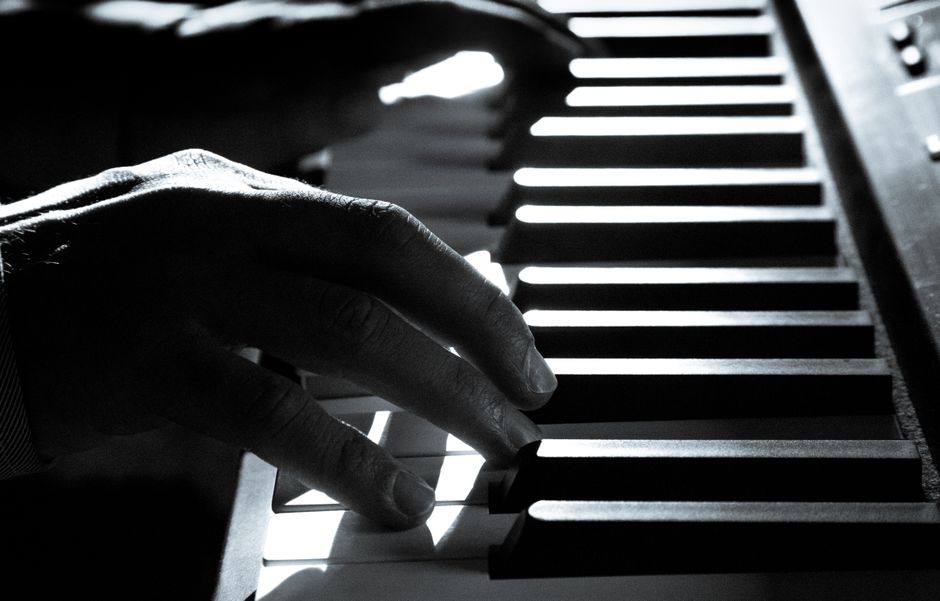
Warming up before piano practice is a widely recommended habit that helps pianists transition from daily activities to focused playing. A proper warm-up increases blood flow to the muscles, improves flexibility, and enhances coordination. This article outlines five-minute warm-up sequences incorporating scales, arpeggios, and stretches, suitable for pianists of various levels. These routines are designed to prepare the hands and fingers for practice or performance, and to reduce the likelihood of strain. The information provided is for general educational purposes and should be adapted to individual needs. Consistency and mindful attention during warm-ups are key to maximizing their benefits. Always listen to your body and adjust as necessary.
Why Warm-Up Matters
Warming up prepares the body for the physical demands of piano playing. Muscles and tendons become more pliable, reducing the risk of injury. A warm-up also helps sharpen mental focus and finger independence, leading to more productive practice sessions. Many piano instructors emphasize warm-ups as part of a comprehensive approach to technique and injury prevention. The specific warm-up that works best can vary from person to person, depending on factors such as hand size, repertoire, and practice duration. It is important to approach warm-ups with a relaxed mindset and avoid rushing through them. Over time, a consistent warm-up routine can contribute to improved endurance and control.
Stretching Exercises for Hands and Wrists
Gentle stretching helps release tension and prepares the muscles for playing. These exercises should be performed slowly and without force. If any movement causes pain, stop immediately. A few minutes of stretching can make a noticeable difference in how the hands feel at the keyboard.
-
Wrist flexor stretch: Extend one arm forward with palm facing up. Use the other hand to gently pull the fingers downward until a stretch is felt in the forearm. Hold for 15–20 seconds, then switch sides. Repeat twice per hand.
-
Wrist extensor stretch: Extend one arm forward with palm facing down. Use the other hand to gently pull the fingers toward the body. Hold for 15–20 seconds, then switch. Repeat twice per hand.
-
Finger spreads: Place hands flat on a table or your lap. Slowly spread fingers apart as far as comfortable, hold for 5 seconds, then relax. Repeat 5–10 times.
-
Thumb stretch: Gently pull the thumb away from the hand until a stretch is felt. Hold for 15 seconds, then release. Repeat twice per hand.
These stretches can be done before and after playing. They are not a substitute for proper technique but can complement it. Incorporating them into a daily routine may help maintain hand flexibility.
Scale Sequences for Finger Activation
Scales are a staple of piano warm-ups because they engage all fingers and promote evenness. Start with slow, deliberate practice, focusing on smooth transitions and accurate fingering. Gradually increase speed as comfort allows. The following sequence can be completed in about two minutes.
-
C major scale, one octave, hands separately: Play ascending and descending with a steady tempo. Use the standard fingering (right hand: 1-2-3-1-2-3-4-5; left hand: 5-4-3-2-1-3-2-1). Repeat twice per hand.
-
G major scale, one octave, hands together: Play slowly, ensuring coordination. Repeat twice.
-
D minor harmonic scale, one octave, hands separately: This introduces a different finger pattern and challenges coordination. Repeat twice per hand.
-
Chromatic scale, one octave, hands together: This engages all fingers and helps with evenness. Play slowly, then gradually increase speed. Repeat twice.
Scales can be adapted to focus on specific technical issues, such as dynamics or articulation. For variety, try different rhythms or accents. The key is to maintain relaxation and avoid tension.
Arpeggio Patterns for Coordination
Arpeggios train the hand to move smoothly across the keyboard and improve finger independence. They also help with hand position and wrist flexibility. A short arpeggio sequence can be completed in about one minute.
-
C major arpeggio, one octave, hands separately: Play ascending and descending with a legato touch. Use fingering: right hand 1-2-3-1-2-3-5; left hand 5-3-2-1-3-2-1. Repeat twice per hand.
-
A minor arpeggio, one octave, hands together: Play slowly, focusing on evenness. Repeat twice.
-
Dominant seventh arpeggio in C, one octave, hands separately: This introduces a four-note pattern. Repeat twice per hand.
-
Diminished seventh arpeggio in C, one octave, hands together: This challenges coordination and finger stretch. Play slowly, then repeat twice.
Arpeggios can be played with different articulations, such as staccato or marcato, to develop versatility. They can also be transposed to other keys for additional practice. As with scales, maintain a relaxed hand and avoid excessive force.
Integrating Warm-Ups into Practice
A five-minute warm-up can be easily integrated into a practice session. Start with stretching, then move to scales and arpeggios. Adjust the difficulty and duration based on your level and goals. Beginners might focus on hands-separate exercises, while advanced players can incorporate more complex patterns. It is helpful to warm up before tackling technically demanding repertoire. Over time, you may develop a personalized routine that addresses your specific needs. Remember that warm-ups are preparatory and should not replace regular technical work. Consistency is more important than intensity. If you experience persistent pain or discomfort, consult a qualified professional.
Warm-ups are a personal practice; what works for one pianist may not work for another. Experiment to find a sequence that feels comfortable and effective.
Incorporating these sequences into your routine can help prepare your hands and mind for playing. Fretstream encourages pianists to prioritize health and technique. Always practice mindfully and enjoy the process of making music.