Building Finger Strength for Guitar Barre Chords
Barre chords are a fundamental technique in guitar playing, yet many guitarists find them challenging due to the required finger strength and hand endurance. Unlike open chords, barre chords demand that one finger press multiple strings simultaneously across the fretboard, which can lead to muted notes, buzzing, or fatigue. Developing the necessary physical capabilities is a gradual process that involves consistent, targeted practice. This article outlines a series of daily exercises designed to build finger pressure and hand endurance, applicable to both acoustic and electric guitars.
The exercises described here focus on incremental improvement and proper technique. They are not a quick fix but rather a structured approach that, when practiced regularly, may contribute to cleaner barre chord execution. It is important to approach these exercises with patience, as individual progress varies based on factors such as hand anatomy, guitar setup, and practice consistency. The goal is to provide a framework that guitarists can adapt to their own pace and skill level.
Before diving into the exercises, it is essential to understand the mechanics of barre chords and the muscle groups involved. The index finger typically serves as the barre, while the other fingers fret individual notes. This requires coordinated pressure and precise placement. The exercises below target these specific demands, offering a systematic way to develop the required strength and stamina.
Understanding the Demands of Barre Chords
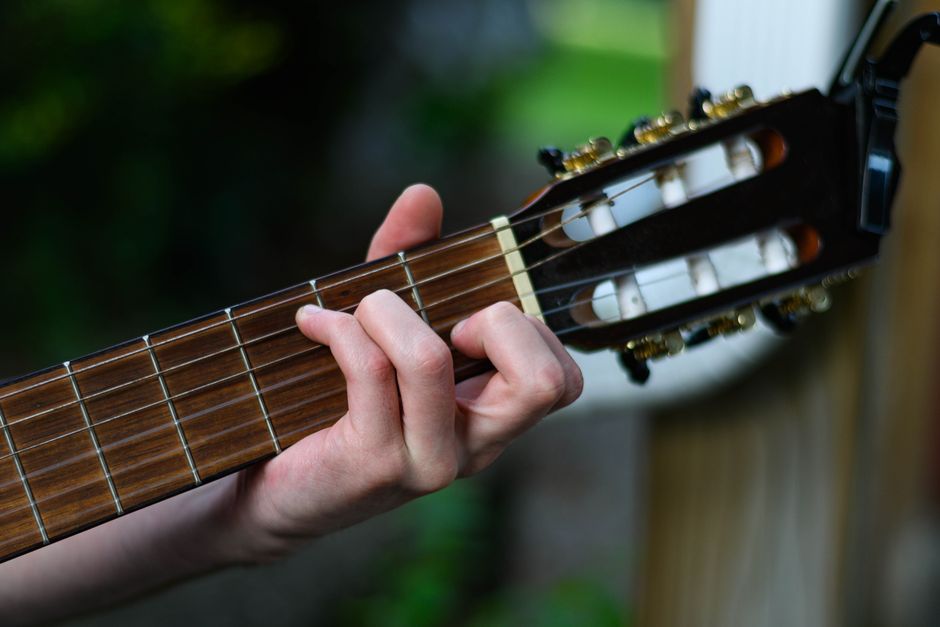
Barre chords require the index finger to press down on all six strings (or five, in the case of some shapes) while the remaining fingers fret notes on higher frets. This places significant strain on the muscles and tendons of the hand and forearm, particularly the flexor muscles that control finger movement. Additionally, the thumb provides counter-pressure on the back of the neck, and the wrist must maintain a stable position to allow effective force transfer. Over time, the repetitive nature of barre chords can lead to fatigue, especially for beginners.
The primary challenge is achieving sufficient finger pressure to ensure each string rings clearly without excessive tension. Too little pressure results in muted or buzzing strings, while too much can cause hand fatigue and potential injury. Therefore, the goal is to develop controlled strength and endurance, enabling the guitarist to apply just the right amount of pressure consistently. This balance is achieved through focused practice that gradually increases the demands on the hand.
It is also worth noting that guitar setup plays a role. A guitar with high action or heavy strings requires more finger strength than one with lower action and lighter strings. For acoustic guitars, the heavier strings typically demand more pressure than electric guitars, though both benefit from the same exercises. Adjusting the setup can make practice more manageable, but the exercises here aim to build strength regardless of the instrument.
Consistent, mindful practice is key to developing the finger strength and endurance needed for barre chords. Rushing the process often leads to frustration and poor technique.
Daily Finger Pressure Exercises
These exercises are designed to be performed daily, ideally as part of a warm-up routine or a dedicated practice session. They focus on building pressure without causing undue strain. Start with a few repetitions and gradually increase as comfort allows. Always listen to your body and stop if you experience pain.
Exercise 1: Finger Pressing on a Flat Surface – Place your hand flat on a table or your thigh with fingers slightly spread. Press each finger down individually, starting with the index and moving to the pinky, then repeat. Hold each press for a few seconds, focusing on using only the finger muscles without engaging the wrist. This exercise helps isolate and strengthen the flexor muscles. Perform 5–10 repetitions per finger.
Exercise 2: Barre Simulation with a Rubber Band – Loop a rubber band around your fingers and thumb, then spread your fingers against the resistance. This mimics the spreading motion of a barre chord. Alternatively, use a stress ball or hand grip exerciser to build overall hand strength. Aim for 10–15 repetitions per hand, once daily.
Exercise 3: String Bending with Light Gauge Strings – On your guitar, practice bending a single string using one finger, such as the index finger, while maintaining a relaxed hand. This builds strength in the finger used for barring. Start with half-step bends and gradually increase. Do this for 5 minutes per session.
Exercise 4: Partial Barre Drills – Fret a partial barre on two adjacent strings (e.g., first and second strings) using your index finger. Press down firmly and pluck each string to ensure clarity. Move this shape up and down the fretboard. This exercise develops the specific pressure needed for full barre chords without overloading the hand.
Hand Endurance Training
Endurance is the ability to sustain pressure over time, which is crucial for playing songs that feature barre chords extensively. These exercises aim to increase the duration for which you can maintain clean barre chords before fatigue sets in.
Exercise 5: Chord Progression Hold – Choose a barre chord shape, such as the F major barre at the first fret, and hold it for as long as you can while maintaining clear sound. Start with 5 seconds and work up to 30 seconds or more. Rest for a minute between attempts. Repeat 3–5 times per session.
Exercise 6: Barre Chord Shifting – Play a barre chord, then slide it up one fret, play again, and continue ascending and descending the neck. This not only builds endurance but also improves finger dexterity and accuracy. Perform for 2–3 minutes continuously, resting as needed.
Exercise 7: Song-Based Practice – Select a song that uses barre chords throughout and play it repeatedly. This contextual practice helps translate strength gains into musical application. Start with slower tempos and gradually increase speed as endurance improves.
Exercise 8: Isometric Holds – Fret a barre chord and press down with moderate pressure, holding for 10–15 seconds. Relax and repeat. This isometric exercise builds static strength. Do 3–5 holds per session, ensuring you do not exceed a comfortable level of exertion.
Proper Technique and Injury Prevention
Building strength without proper technique can lead to injury or bad habits. Pay attention to the following points to ensure safe and effective practice.
- Hand Position: Keep your thumb behind the neck, roughly opposite your index finger. This provides leverage and reduces strain.
- Finger Curvature: Use the tips of your fingers to fret notes, and for the barre, roll your index finger slightly onto its side (the bony edge) to minimize surface area and increase pressure.
- Wrist Alignment: Avoid bending your wrist excessively. Keep it relatively straight to prevent strain on tendons.
- Pressure Control: Apply only as much pressure as needed to produce a clean sound. Excess pressure wastes energy and can cause fatigue.
- Warm-Up: Always warm up with light stretching and simple exercises before attempting intense barre work.
- Rest: Take breaks every 10–15 minutes during practice to avoid overuse. If you feel pain, stop immediately.
Incorporating these technique tips into your daily exercises will help you develop strength efficiently while minimizing the risk of injury. Remember that progress is gradual, and consistency is more important than intensity.
Integrating Exercises into a Daily Routine
To see improvement, it is advisable to integrate these exercises into a daily practice routine. A typical session might include 5–10 minutes of finger pressure exercises, 10–15 minutes of endurance training, and then application to songs. Consistency is key; short, daily sessions are generally more effective than occasional long sessions.
Start with a manageable schedule, such as 15–20 minutes per day dedicated to barre chord strength. As your endurance improves, you can extend the duration or increase the difficulty. It is also beneficial to alternate between acoustic and electric guitars if you play both, as the different string tensions provide varied challenges.
Tracking your progress can be motivating. Keep a log of how long you can hold a barre chord or how many clean repetitions you can achieve. Over weeks, you may notice improvements in clarity and reduced fatigue. However, individual results vary, and factors such as hand size, guitar setup, and practice regularity influence the timeline.
Finally, consider consulting a guitar teacher or physical therapist if you experience persistent pain or difficulty. They can provide personalized guidance and ensure your technique is safe. The exercises presented here are a general framework and may need adjustment based on your specific needs.